

A lot of times, if you’re watching a well-done movie, you subconsciously identify with the lead characters. As the movie unfolds, your brain is going, “What would it be like if I had superpowers, if I was a badass, or if I were engaged in that torrid romance”?
While it’s true that not all movies are like that, have you ever thought about zombie movies through that lens? Granted, you might think about what you might do in that situation, but what would be APPEALING about it?
Believe it or not, there certainly are some things about that situation. The scoreboard would be reset, and you wouldn’t be feeling like you could never catch up to George Soros or Michael Jordan. Hell, the only thing you’d have to do to be a standout in this world would be to kill zombies, and they’re pretty slow in most of the movies, which makes even the most inept person feel like they could handle it. Furthermore, lots of cool stuff would be lying around for the taking. You could move into a mansion and loot the whole supermarket down the street for food.
Also, if you’re a guy and not doing so well with women, having 99% of the competition wiped out and perhaps being the difference between life and death could potentially make you into the equivalent of a wealthy, famous influencer with the ladies:
Of course, in the end you’re still surrounded by zombies that want to eat you; there’s no Internet or air conditioning, and a well-armed horde of human killers could come over the hill any day and cut your head off, take your girl, and loot all your supplies. There would be very little you could do in that situation except flee for your life:
You might be thinking, “Okay, interesting take on zombie movies – I guess – but what does this have to do with price controls?”
Everything, my friend, because price controls, like living in a zombie movie, are superficially appealing on the most basic level. That’s why so many people who should know better love the idea of price controls:

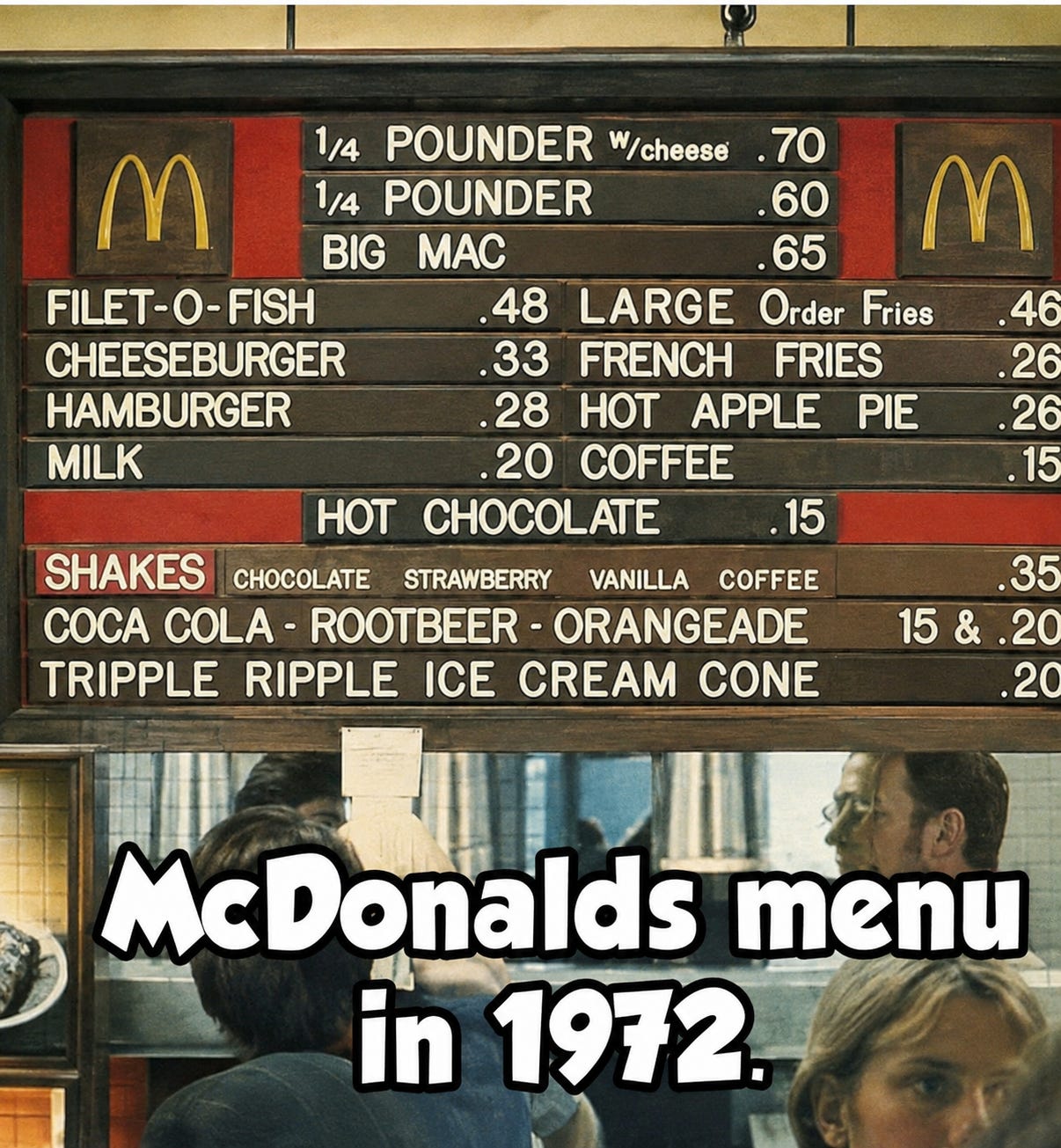
It’s easy to understand this, right? What would be so great about price controls if you didn’t think too hard?
What about this?
How about this?
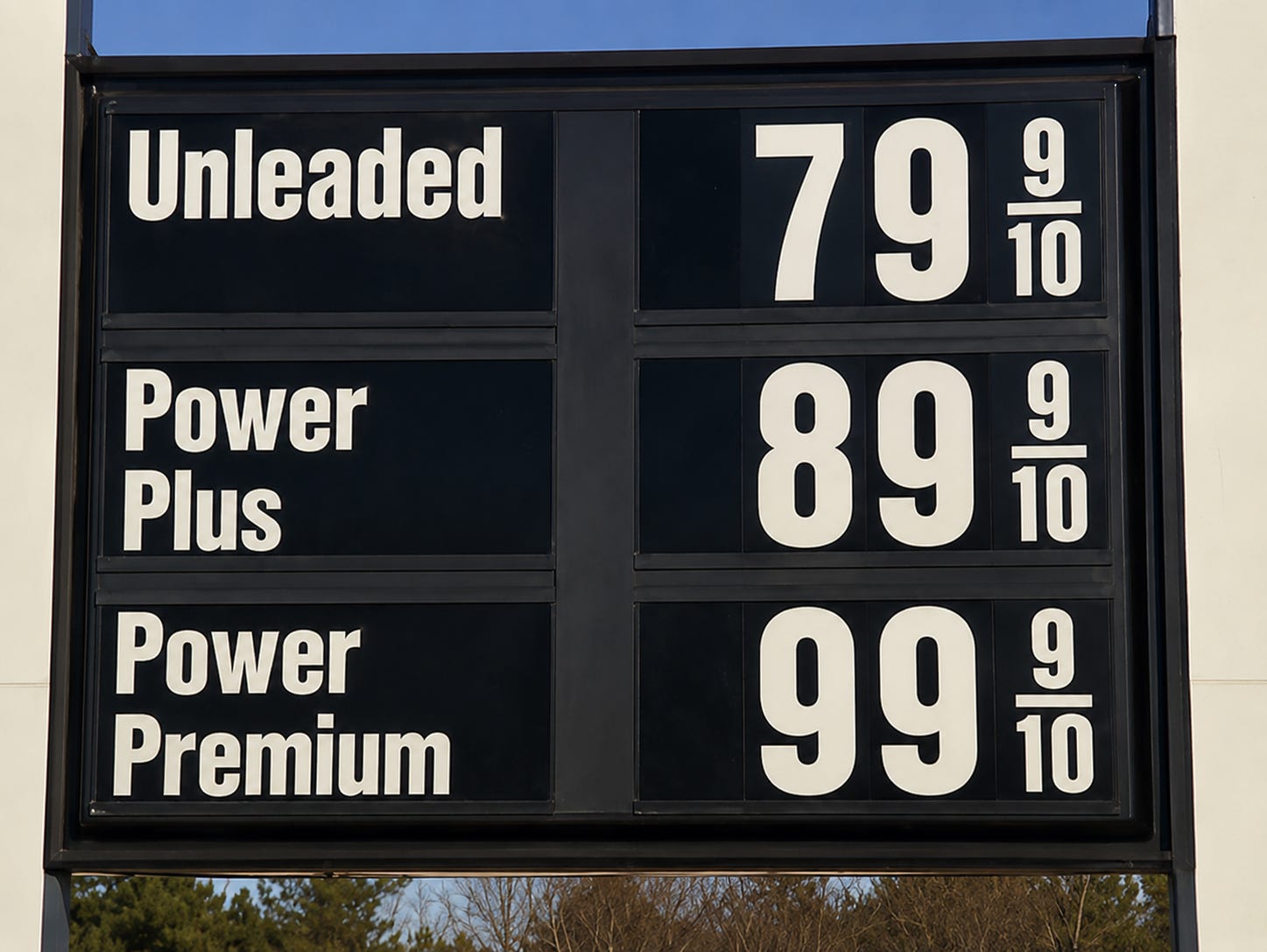
Does this catch your eye?
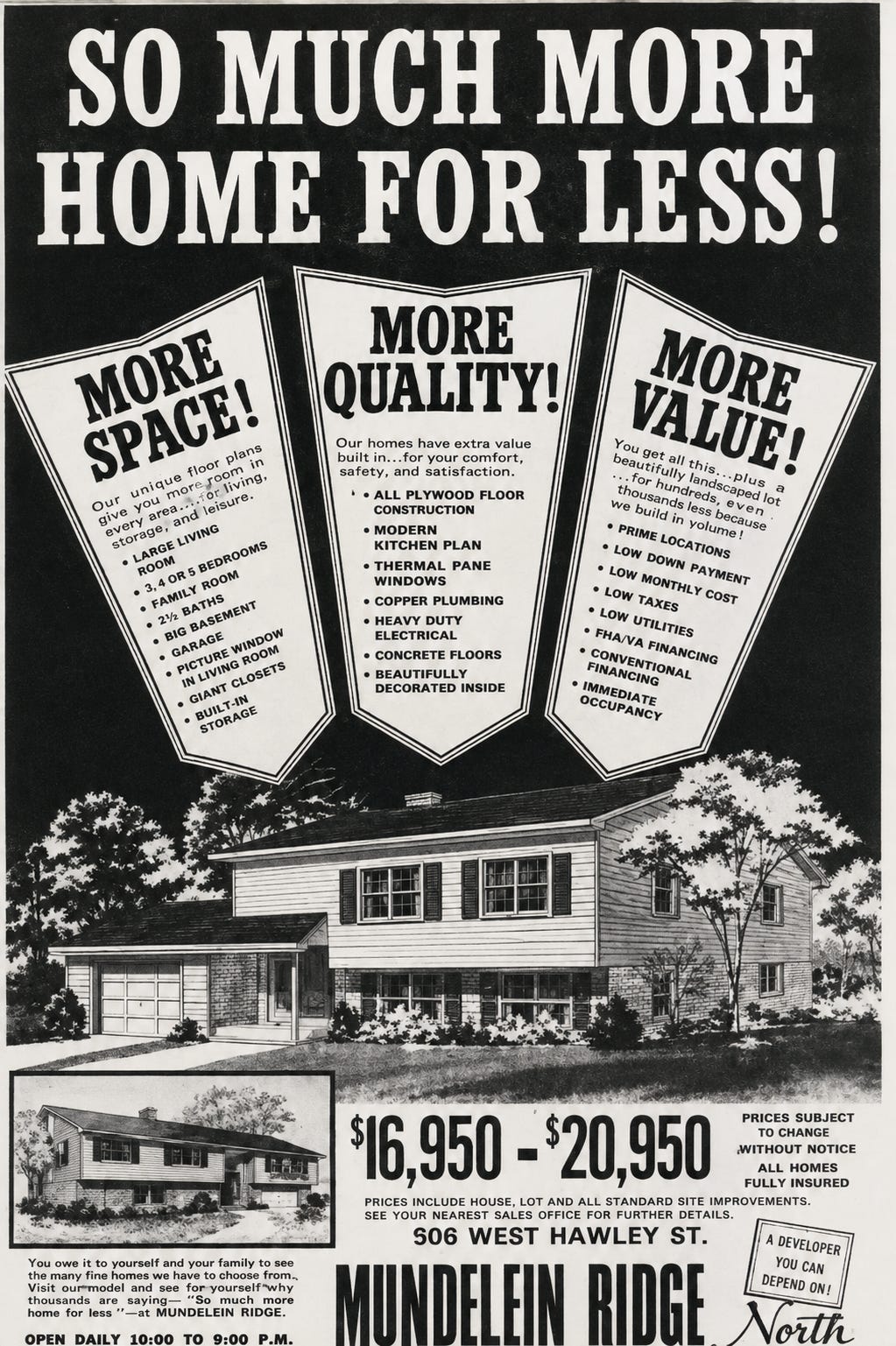
What if you could buy a brand-new car at these prices?
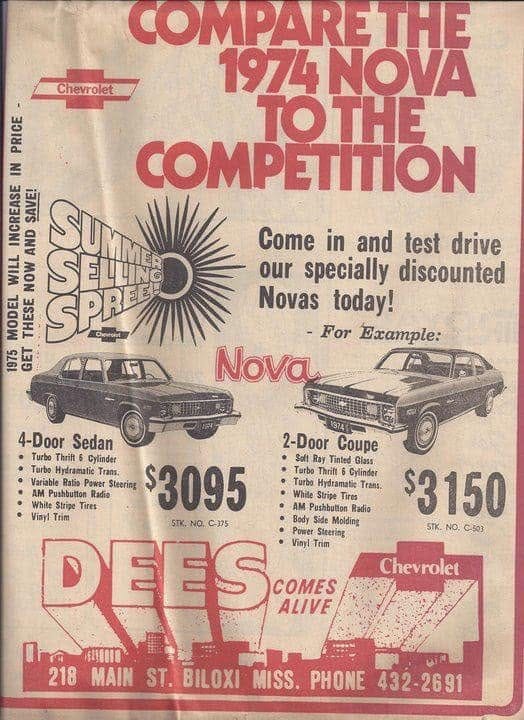
This sounds great, right? Superficially, yes. If price controls were put in place, it would feel like you were getting a great deal.
The problem is that the other side of this is not magic, a computer, or magical gnomes that can quickly and easily make whatever you want out of nothing.
It’s other people, just like you, whose living relies on selling things at a PROFIT.
Theoretically, let’s say you run a car company, and each car you make costs $40k and sells for $50k, giving you $10k in profit per car.
What happens if the government says, “Uh-uh-uh, the max price you can sell a car at is $40k now.”
Are you going to come in every day and make cars if you don’t make a profit on them? Absolutely not. So, how do you keep making a profit? You cut corners. You fire people, you reduce the quality of the components, you take out features, you do whatever you have to do to get the price down.
Now, you’re selling an inferior car that costs $30k for $40k and making the same $10k in profit. You’re not really happy with this, and your customers absolutely aren’t happy because they all say your car is a lemon now – and they’re right – but what else can you do?
Of course, that’s the good outcome. The other possibility is that the government says, “Uh-uh-uh, the max price you can sell a car at is $30k now.”
After looking at the cuts you can make, you conclude that you can’t even make a clunker for a profit. So, what do you do? You stop making cars.
So yes, the car would cost $30k, but it doesn’t matter because there are no cars.
This is how price controls work in the real world.
Stage 1: Oh wow, this is cheap! Awesome! This is great!
Stage 2: Why is it so hard to get this?
Stage 3: There isn’t any more of it. What happened?
Stage 4: The politicians behind the price controls declare that the shortages are all the fault of “greedy capitalists.”
This isn’t a new experiment in the world or even in the United States.
Perhaps the most famous example of this in America was the price controls on gas in response to an Arab oil embargo in the seventies. So, how did that work out? With people waiting hours to get gasoline:
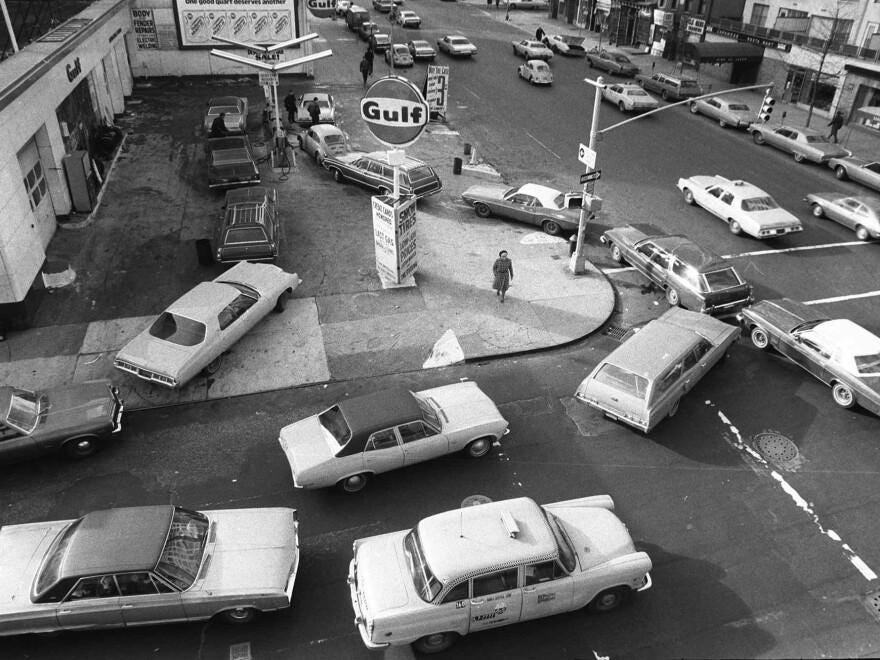
It’s also no coincidence that the most expensive places in America to live have rent control. What would happen without rent control in places like NYC and San Francisco? Short-term, prices would go up, but long-term, prices would drop significantly as more housing was built.
Admittedly, California did a lot of things wrong on the energy front, but after the state put price controls on energy in place in the early 2000s and prices rose enough to matter, it turned into a complete disaster. They had rolling blackouts. Areas were deliberately shut down to prevent the grid from destabilizing. The utilities that provided power went bankrupt, and eventually the government of California wasted staggering amounts of money trying to fix the disaster they created with their price controls, while never accepting the blame for the mess they caused.
This is what price controls do. This is how they work. Ever heard of Meth Zombies? Well, price controls are basically meth. It starts out feeling great, but soon you look twenty years older, have no teeth, are picking scabs off your skin, and are willing to do pretty much anything to get another fix:
Price controls never end well, and that’s not a statement of theory; it’s something that has been proven to be true over and over, across endless civilizations and time periods. There’s no reason to try it again because we know with absolute certainty how the movie ends.
Well said. Just like communism, leftists will say they will work “this time,” because they weren’t tried properly before. But the laws of economics are laws, not suggestions, for a reason: human nature doesn’t change. No one will design cars, loan money to build cars, buy a car factory, buy the equipment and parts to build cars, run a car company, or work for a car company, for free.
If only people understood fundamental basics of economics 101.
On one end of the "pricing is broken" spectrum is price control by too much government. On the other end is price control by too much corporate consolidation. The missing piece at both ends is competition on price.
I own a business that is attempting to launch a new brand and getting that product on retail shelf space is next to impossible as the entire supply chain is owned and controlled by a handful of big corporate operators.