

X has been consumed with debates over the cost of burritos this week.
Yes, really.
It seemed to mostly revolve around a couple of posts from Joel Berry of the Babylon Bee and Matt Walsh from the Daily Wire that were really describing different aspects of the same problem, rather than actually contradicting each other:


From there, things went in just about every direction you can imagine… burritos don’t cost $20, here’s where you can get cheap burritos, people are out of touch because they don’t know what burritos cost, are the Jews behind expensive burritos, what to do if socialists promise people free burritos, the Boomers probably want us to eat dirt burritos, etc., etc., etc.
So, how do we skin this cat or alternately, stuff this burrito?
Well, first of all, it’s worth noting that as a percentage of income, people in the United States spend less of what they make on food than anywhere else in the world (the latest worldwide comparison data seems to be from 2023):
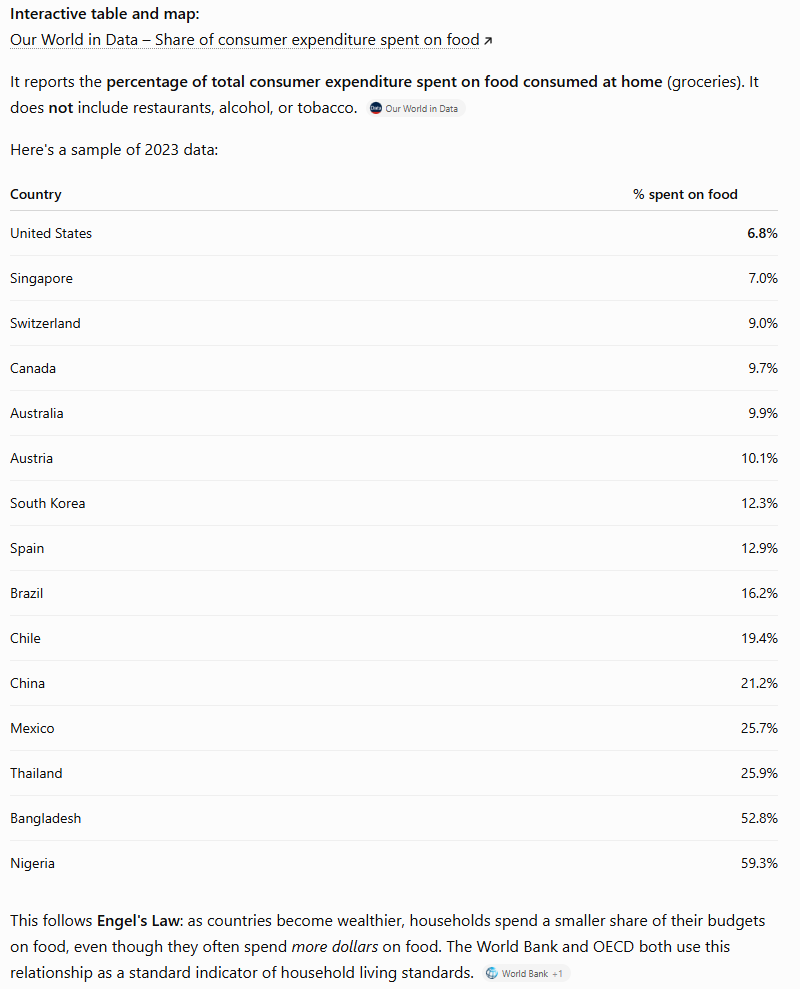
So, there are places where the food is cheaper. For example, when I last went to Mexico in 2024, the food, like most other things there, was very cheap compared to what we pay in the United States, but the people there also make a lot less money:

(PS: Would anybody else out there be willing to eat a beef hoof taco on their birthday? Because I certainly did.)
It’s good to start discussing this subject at this point because having perspective matters. People should absolutely be aware that if you’re American, you’re spending less of your paycheck on food than in any other nation on earth.
That being said, has the cost of food and everything else skyrocketed since COVID? Yes, it has. Anybody who has paid rent, bought a car, or gone to a restaurant since then can confirm that with complete certainty. It still blows me away that I pay more than $20 (including a tip) for an omelet, two slices of toast, hash browns, and a Coke Zero at a local breakfast place I like. I can still remember when it used to be 6 or 7 dollars.
In any case, prices soared during the COVID years:
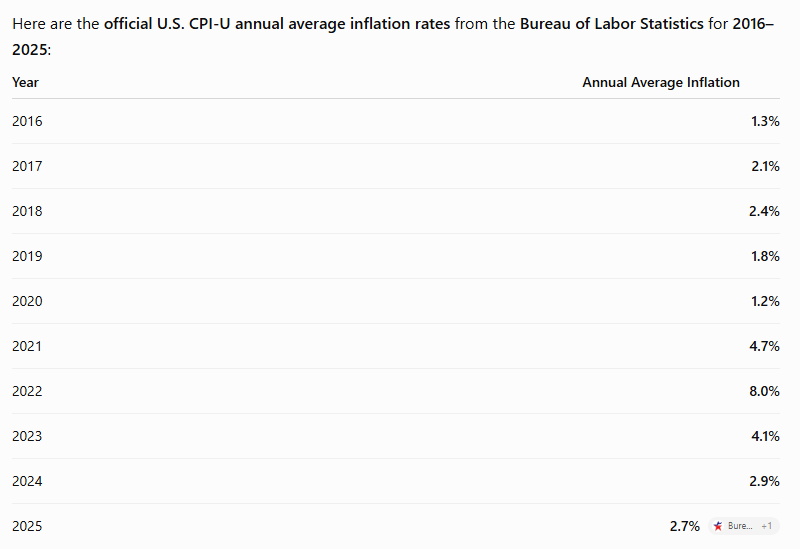
There are three things worth noting about this.
The first is that no matter who’s in charge, the government plays all kinds of games with these numbers to try to make them look lower than they are, so inflation almost certainly went up more than this in the real world.
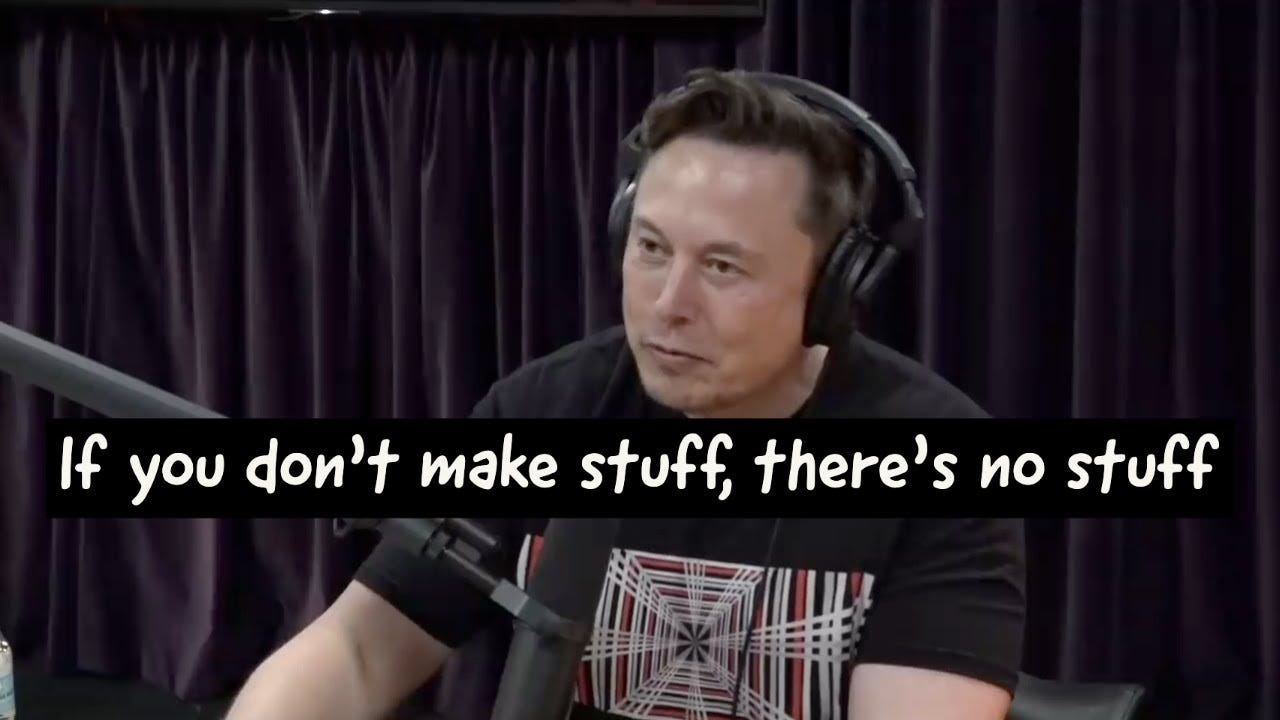
Secondly, there were a number of supply problems that TEMPORARILY caused inflation to swell, including supply chain disruptions, sicknesses among animals that led to millions of them being put down, and lockdowns that kept people from making any goods at all for a while, which Elon Musk addressed during his famous Joe Rogan appearance back then:
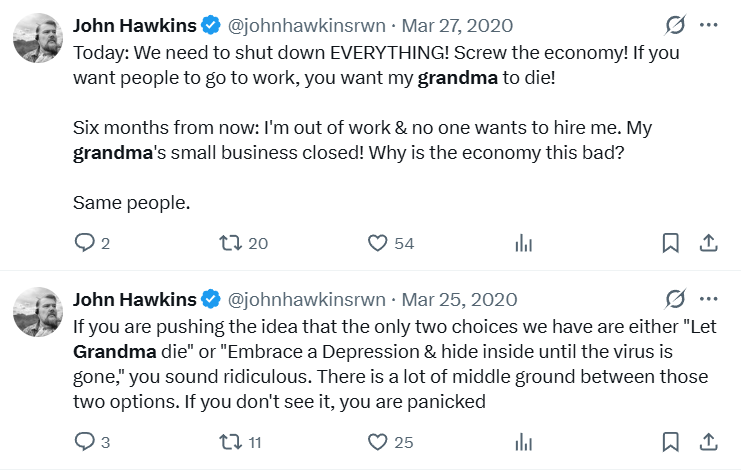
However, the biggest reason that prices exploded is that the Federal Reserve printed something like 40% of all the American money that existed during the COVID crisis to smooth the economy over while so many people weren’t allowed to work. This is a big part of the reason why so many of us pointed out that the lockdowns were economically insane:
Officially, a dollar you held from 2019 until today lost about 30% of its value, but again, those numbers are always a little cherry-picked and the real number is probably more like 40%.
Are there things the Trump administration can do to tackle affordability across a wide variety of areas? Yes, and they have. No tax on tips, no tax on overtime, Trump accounts, temporary auto loan deductions, increased child tax credit, executive actions to increase the supply of energy, getting rid of illegal aliens (which lessens the demand for housing to cut costs), and bigger deductions for seniors.
This is where Matt Walsh was making an important point.
The American people care a lot about affordability. Many people will be voting in November on that issue. Yet, despite the fact that the Trump administration has actually DONE A LOT on that issue, they’re really not talking about it very much. Inflation slowed dramatically under Trump, and many things have happened to make things more affordable for Americans. Trump, JD Vance, and everybody else the administration can get out there should be HAMMERING that point.
The flip side of this is, I don’t care what they tell you, no one can actually reverse the cost of food at Chipotle to what people were paying in 2004:
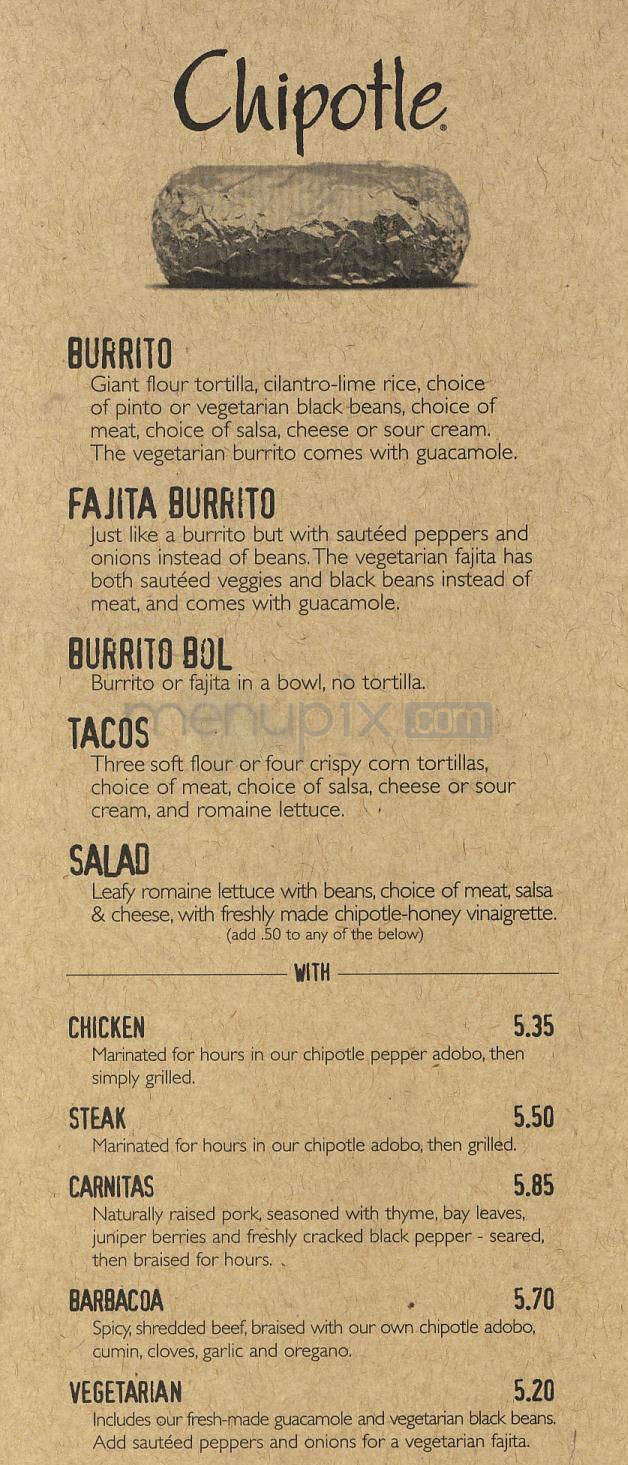
Socialists will tell you that they can, but that’s always one type of scam or another.
They can put price controls on burritos, but that either leads to you getting a tiny burrito wrap with 4 rotten beans in it or no burritos at all. What if the government steps in and provides burritos at a cheaper than market value price? Then, tax dollars have to be collected and spent on making up the difference. On a small scale, that’s foolish because it’s an enormous waste of money, but possible. On a larger scale, it inevitably fails over time, and you get shortages.
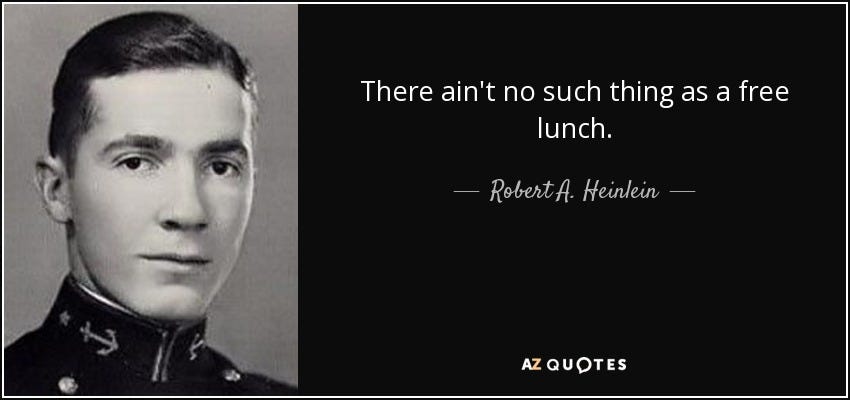
As the late, great Robert Heinlein said:
This takes us back to what Joel Berry was saying. We can do some things around the edges, but our country just did some incredibly foolish things economically during COVID; the bill’s coming due, and there’s no easy way to reverse course.
It’s like chopping your arm off with an ax, tossing it in a tree shredder, and then going, “Okay, put it back on.” Unfortunately, that’s going to be a bit of a problem.
So, what do you do if your burrito at your favorite restaurant gets too expensive? You don’t eat there as often. You make cheaper burritos at home. You get your burritos at a cheaper restaurant. You buy cheaper frozen burritos at the supermarket. This is what Joel Berry was pointing out, and unfortunately, this was lost on an awful lot of people who don’t ever do the financial basics and would prefer to just complain. Unfortunately, there’s currently no way to really fix this problem short of a time machine that would allow us to go back and correct the policies that conservatives have been warning people about for decades.
Surprisingly, a chart showing the cost of Campbell’s soup through the years is one of the best ways to show what’s happening overall:

Why does this chart look like this? Because when America was on the gold standard, there was much less inflation, and the value of money you held retained its value better year after year.
When Nixon put the final nail in the coffin of the gold standard in 1971, the amount of money our country printed started to become less and less connected to the amount of gold we had backing it. This juiced the economy and gave the FED more options when dealing with economic downturns, but it also had some catastrophic downsides, such as inflation increasing much faster and politicians feeling like that gave them “free” money to spend.
As our debt gets higher and higher and fewer people want to buy it, the temptation will be to print even more money, which will skin the public alive via inflation, but make it easier for the government to pay back the money they owe.
Unless we massively shrink the government, get spending under control, and start paying back the debt before the interest we have to pay on it gets completely out of control, things are going to get continually worse until inflation breaks our economy. So, if you think burritos are expensive now, you haven’t seen anything yet.
There is actually a way to lower prices. Not that it will ever happen. But it does exist.
You just have to run a budget surplus (I know, don't laugh) and then once the government is taking in more than it spends, "delete" the extra money. This will lower the monetary base and reverse (not just stop) inflation.
Anyone who has ever watched an NFL team rest their starters after they have locked in the playoff berth understands the saying; "you can't just flip the switch." I told everyone I knew that the covid lockdowns were going to do incalculable long-term damage to our economy. Once we started paying people to stay home instead of allowing them to go to work, we were going to suffer the effects for a long time. Add this on top of the Obama scheme to monetize the debt, and it doesn't take a genius to figure out there's going to be massive, long-term troubles. Groceries are higher, but have you seen the doctor bills, roofing contractor quotes, home construction remodel estimates and auto repair bills? If you have to pay these guys 50 percent more than you paid them pre-Covid, then everybody has to charge more for their goods or services, too. I see it everywhere in WI now. My property tax assessment just went up 42.8% since last year, I kid you not. My taxes went up 15 percent last year; unless the mil rate drops- a lot- how much will the next increase be? I'm afraid this thing is like a runway train and we've got some sharp curves coming up...